Integrated Manual Practitioner
Advanced Clinical Training for Therapists
The Integrated Manual Practitioner (IMP) designation recognizes therapists who have successfully completed the core learning modules of the Echo Ridge Academy educational pathway.
Designed for Registered Massage Therapists, Manual Osteopaths, Chiropractors, Physiotherapists, Athletic Therapists, and other healthcare professionals, the IMP pathway focuses on advanced assessment, palpation, clinical reasoning, and treatment integration.
Not every therapist wishes to pursue an additional professional designation. Many simply want better clinical skills, improved treatment outcomes, and a system for integrating years of continuing education into one cohesive approach.
The IMP designation was created for those practitioners.
What You'll Learn
Through Functional Systems Assessment™, Tissue Melting™, and osteopathic principles, students develop the skills to:
• Improve assessment confidence
• Organize clinical findings into a repeatable system
• Integrate multiple treatment approaches
• Develop advanced palpation and tissue-listening skills
• Improve outcomes with complex and chronic pain presentations
• Reduce physical strain while treating deeper structures
• Build a treatment style that reflects their own strengths and experience
IMP Requirements
To qualify for the Integrated Manual Practitioner (IMP) designation, students must successfully complete the following core learning modules:
• Functional Systems Assessment™
• Tissue Melting™ Upper Body
• Tissue Melting™ Lower Body
• Cranial Osteopathy (Credits given for Upledger Cranial)
• Visceral Osteopathy (Credits given for Upldeger Visceral)
• Muscle Energy Techniques
• Joint Mobilization
Students must also successfully complete the associated examinations for each module.
A Flexible Learning Pathway
Courses may be taken one at a time, allowing students to continue working while progressing through the curriculum at their own pace.
There is no requirement to complete the Clinical Integration Module, clinical hours, case studies, thesis, or final practical examination required for the Manual Osteopathic Practitioner (MOP) pathway.
Looking for More?
Students who later decide to pursue the Manual Osteopathic Practitioner (MOP) designation may apply their completed IMP coursework toward the Bridge Program requirements.
The IMP designation serves as both a stand-alone professional development pathway and the foundation of the Echo Ridge Academy Manual Osteopathic Practitioner Bridge Program.
"The Integrated Manual Practitioner program completely changed the way I treat. I can feel tissues, fluids, and subtle energetic patterns I never noticed before. My sessions are easier on my body, yet so much more effective for my clients. I now work with clarity, confidence, and ease, and I finally feel justified charging a premium price. Echo Ridge helped turn my skill set into a true superpower."
~ Adel
RMT, DOMP, IMP
What is an Integrated Manual Practitioner
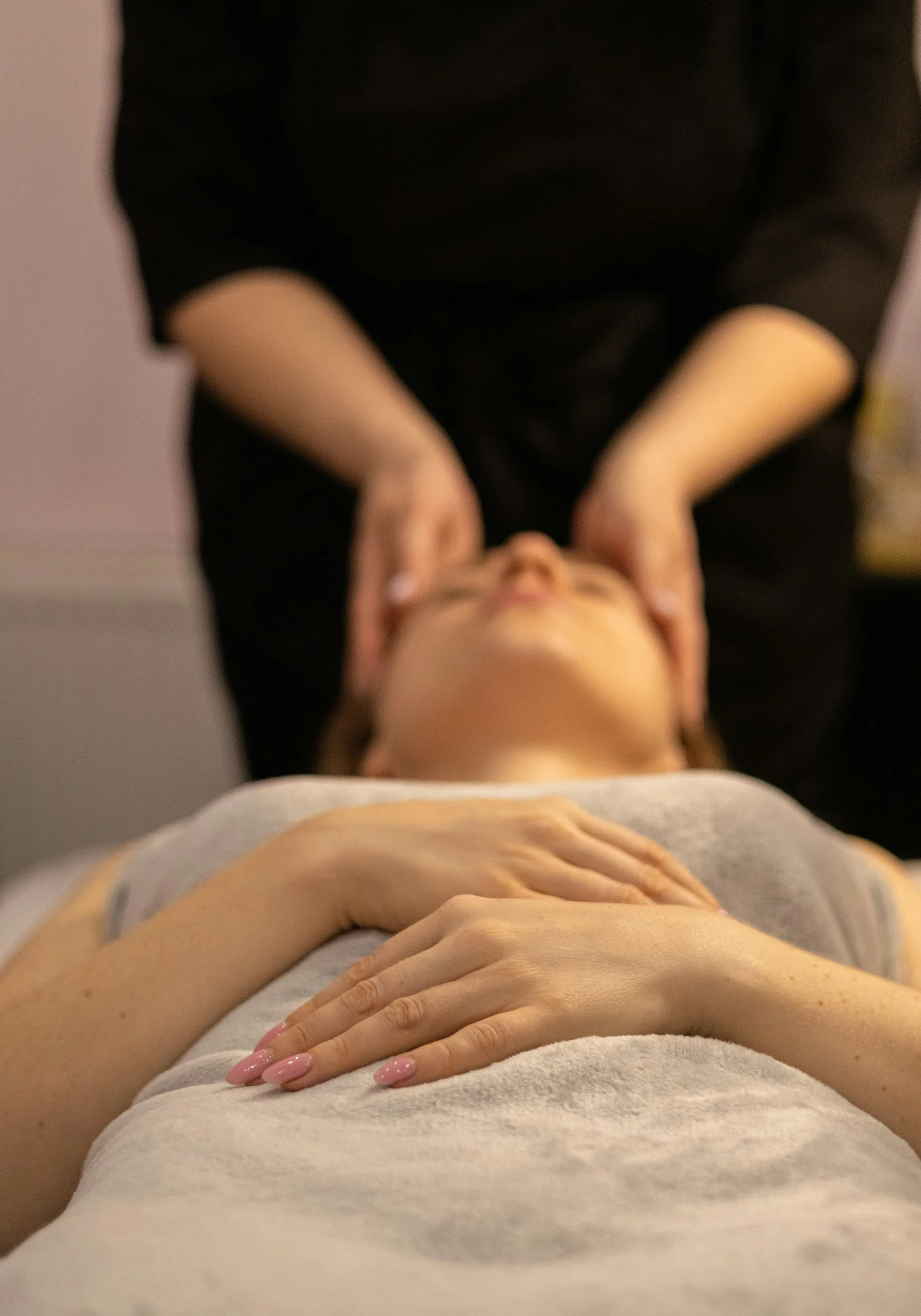
An Integrated Manual Practitioner has the ability to assess the whole body like an osteopath while treating within their current scope. They can listen to the deeper mechanics of the body; organ pull, lymphatic stagnation, cranial flow, joint motion, nerve tension, and fascial patterns, and translate this information into a clear, cohesive treatment plan that creates longer-lasting results.
While it takes years to develop the full skillset of a Manual Osteopath, this program gives therapists a powerful osteopathic foundation: whole-body approaches that blend advanced tissue work, gentle unwinding, cranial techniques, visceral mobility, and fluid listening to release deep patterns of tension. Graduates learn how to melt the tissues, access the body’s deeper mechanics, and create meaningful, lasting change for their clients, without force-based work.
All courses and clinical hours completed in the Integrated Manual Practitioner (IMP) program are fully credited toward the Manual Osteopathic Practitioner training. The IMP can be completed in just six months, giving you a strong osteopathic foundation while you continue working in your current practice. Throughout the program, we dedicate time to business coaching, helping you increase your earning potential, build confidence in your treatment approach, and develop the professional identity needed to grow into full Manual Osteopathy training if you choose to continue. This pathway allows you to learn at your own pace, gain immediate clinical impact, and step into osteopathic education with clarity and support.
Core Classes
Tissue Unwinding Assessment Level 1
In this course, we cover Unwinding Postural Pattern Assessment.
The core triad of postural correction, and how posture is connected to the viscera and lymphatic system. You will learn how to melt tissues, bones, and viscera, focusing on the liver in this class, and how to feel fascial tension without memorizing fascial pulls or patterns. Instead, you will develop the ability to listen to how the body is organizing itself in real time. You will also learn how to assess breathing patterns, using the breath to pinpoint exactly where the core issues are held.
From there, you will learn how to recognize adaptive patterns, understand why they formed, and begin the unwinding process in a way the body can integrate. By the end of this course, you will leave with a deeper respect for your clients’ pain and a clear understanding of how to educate them through the process of bringing their bodies back into balance.
Tissue Melting
By the end of this course, you will be able to perform a full-body assessment and treatment of the fascia surrounding the periosteum and its energetic imprints. Blend intuitive palpation and advanced tissue melting techniques to create deeper, lasting change.
At this point, you will be well on your way to feeling all tissues of the body as a fluid matrix of cellular energy, moving and responding beneath your hands with clarity.
Visceral Manipulation 1
Every motion and breath relies on the structure and function of the organs. This course takes Tissue Melting to the next level, releasing tension in the organs and surrounding fascia. In an effort to allow the body to heal itself, we restore embryological blueprint motions of the fascia and organs.
Get ready for an intuition boost, as your brain understands the science of fascia and embryological movement, it uses a specific part of the brain to bring these insights to your palpation awareness. Get ready for your treatments to change, and your clients will be excited!
Integrated Tissue Melting 3
n Level 3, we refine your skills and create precision for specific structures such as; visceral ligaments, joint ligaments, and muscle tendons. This is where your sensitivity, confidence, and anatomical clarity come together. You’ll learn how to track subtle strain patterns into deeper layers, melt long-held restrictions, and influence the body’s structural and energetic systems with precision. Level 3 deepens your ability to read the body’s fluid matrix and treat complex patterns that standard techniques can’t reach.
Viseral Maniplation 2
In the class, we expand your knowledge and techniques for the lungs, heart, bladder, and kidneys. Each class expands and practices your subtle palpation skills and visualization of structures you are feeling. Time is taken to introduce visceral unwinding, it’s connection to the skeletal system and emotions.
Cranial Sacral 1
Crania Sacral l 1 teaches you to feel and follow the body’s subtle cranial rhythms with gentle techniques that calm the vagus nerve and ease headaches, stress, and nervous system tension. Cranial 1 is the beginning journey into brain trauma, emotions, migraines, and cervical unwinding.
Integerated Whole Body Fasical Melting
Integrated Whole Body Fascial Unwinding blends muscle energy techniques with gentle fascial unwinding to release tension through the entire body.
We work with bone, muscle, and lymph to create fluid motion and deep relaxation of the nervous system. The whole body is melted layer by layer before we stimulate the vagus nerve to activate self-healing.
By the end of this class, students will understand how to assess the bioenergetic field and the emotional layers of tension, and to communicate their treatment approach seamlessly.
Each person has a unique Biofield Frequency that they vibrate and heal within. We take time to coach students on recognizing their unique frequency and what makes them unique as a practitioner.
Integerated Cranial and Visceral Melting
Integrated Visceral Melting builds upon Whole Body Melting by bringing the organs, diaphragm, cranial system, and nervous system into one fluid, intuitive treatment approach.
Students learn how to listen through the viscera and blend fascial, cranial, and energetic cues into a single, cohesive healing session.
This training focuses heavily on sharpening intuitive touch, feeling fluid motion, subtle restrictions, and energetic shifts. Each student discovers their unique assessment style and “superpower,” whether it’s listening through the fluids, perceiving emotional patterns, or tracking nervous system responses.
By the end of this course, therapists can:
Integrate visceral and cranial releases seamlessly into full-body treatments
Assess the body as one interconnected system
Follow restrictions from the organ to spine to fascia
Unwind deep-rooted tension patterns that create persistent pain
Trust your hands, intuition, and clinical reasoning as one unified skillset
Create a personalized approach that fits your style of treating
Increase Earning Potential
Seamless Upgrade to becoming a Manual Osteopath
Frequently asked questions
-
If you have taken cranial and visceral manipulation, you can use these hours towards your certification. However we do find that the review is key to mastering the intuitive listening skills that we teach at Echo Ridge.
-
You must take each level in order.
Tissue Melting 1-4 in order
Visceral 1-3 in order
Cranial 1-3 in order
Integration must be done at the end.
-
Tissue melting 1-3
Visceral 1-2
Cranial 1
Integration 1-2
(8 courses 2 days each)
-
All courses have been submitted to all Alberta associations for approval.
-
We understand schedules can be challenging. A class can be made up with another group at any time if space is available. Classes will be recorded so you can catch up with ease.
Tutors are available at a per-hour cost.
Students often create study groups to practice.
-
Upgrading is made seamless as possible with the “take courses as you go” option.
We have tutors avaiable, student clinic, PLAR options, and bridge programs.
There is no rush, take the time you need, or excel as fast as can.